+212661359960
cruisersahara6@gmail.com
ITINERARY
DAY 1: MARRAKECH → HIGH ATLAS MOUNTAINS → AIT BEN HADDOU KASBAH → OUARZAZATE
Your 5 day tour starts with a morning pick-up from your hotel or riad in Marrakech. As you begin your journey, you will be treated to stunning views of the High Atlas Mountains. We will stop at various panoramic points to soak in the scenery and explore the historic Telouet Kasbah, once the powerful stronghold of the El Glaoui family.
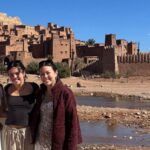
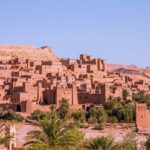
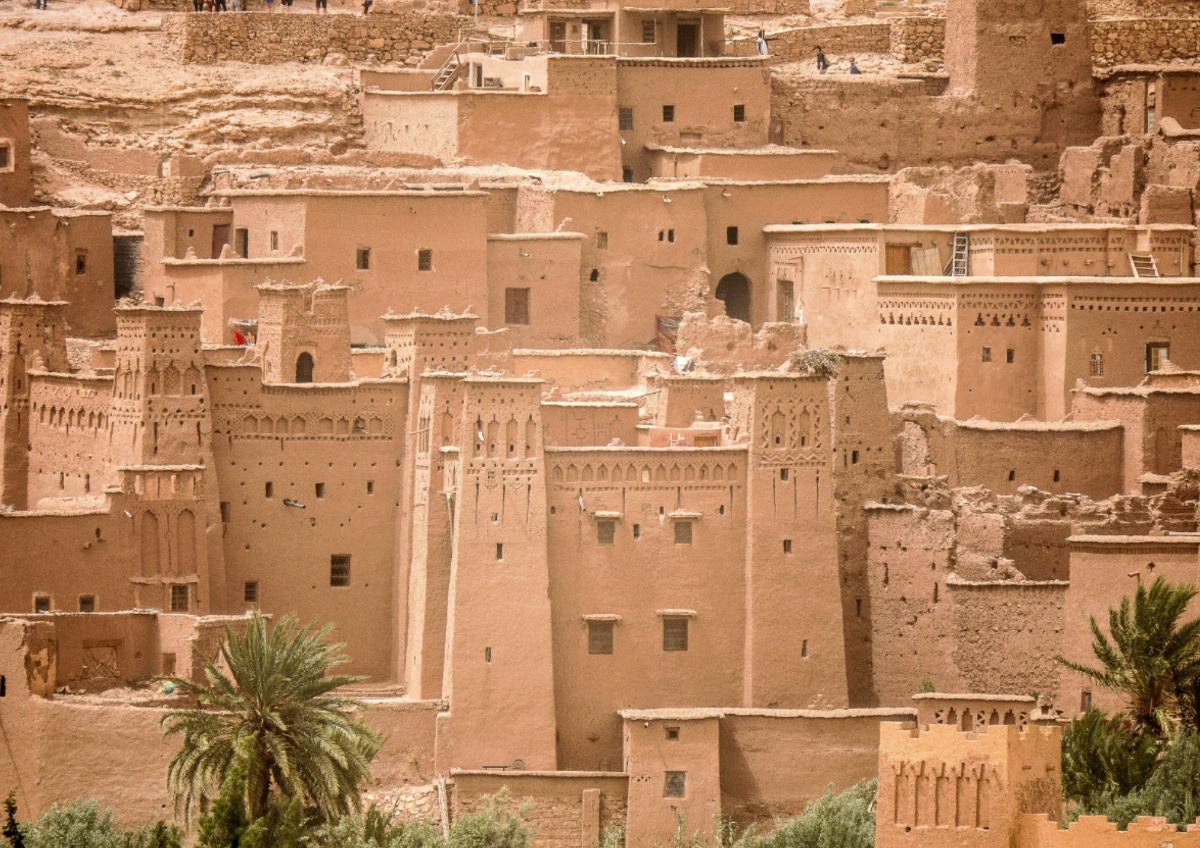
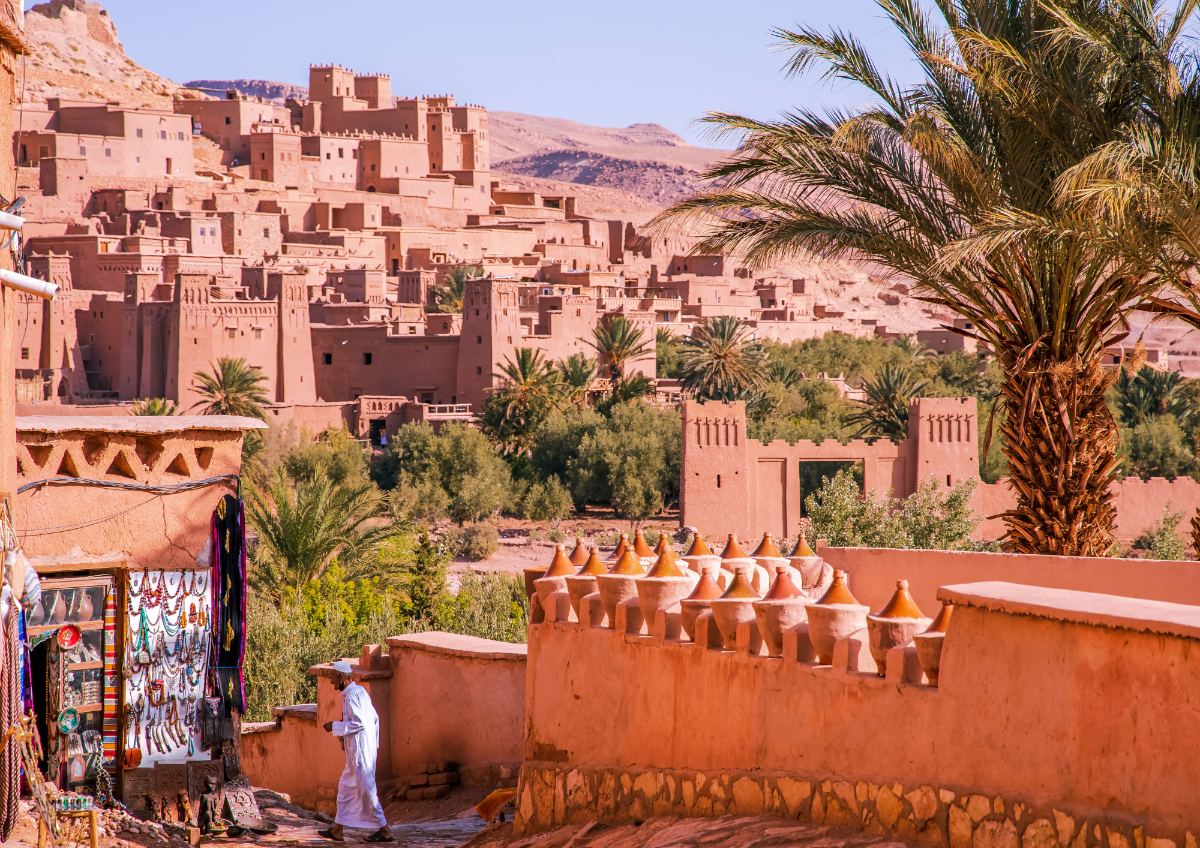
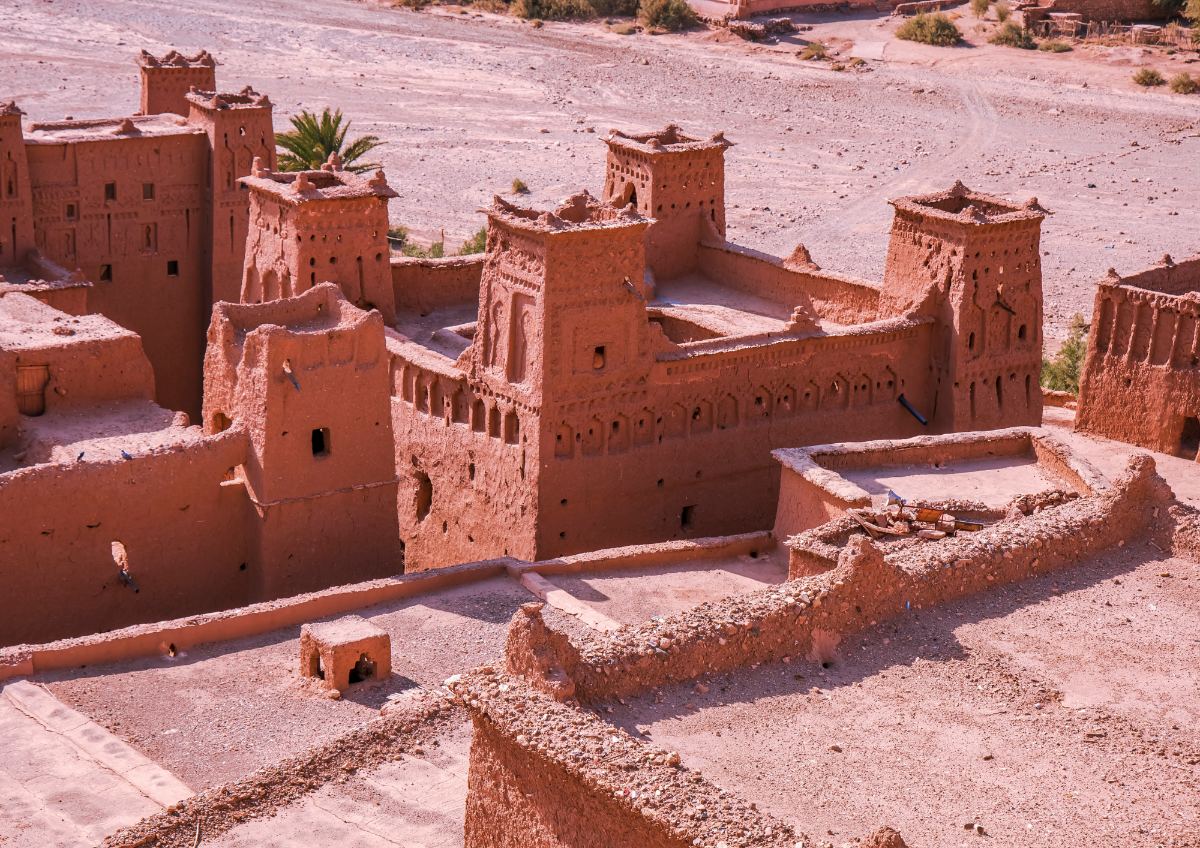
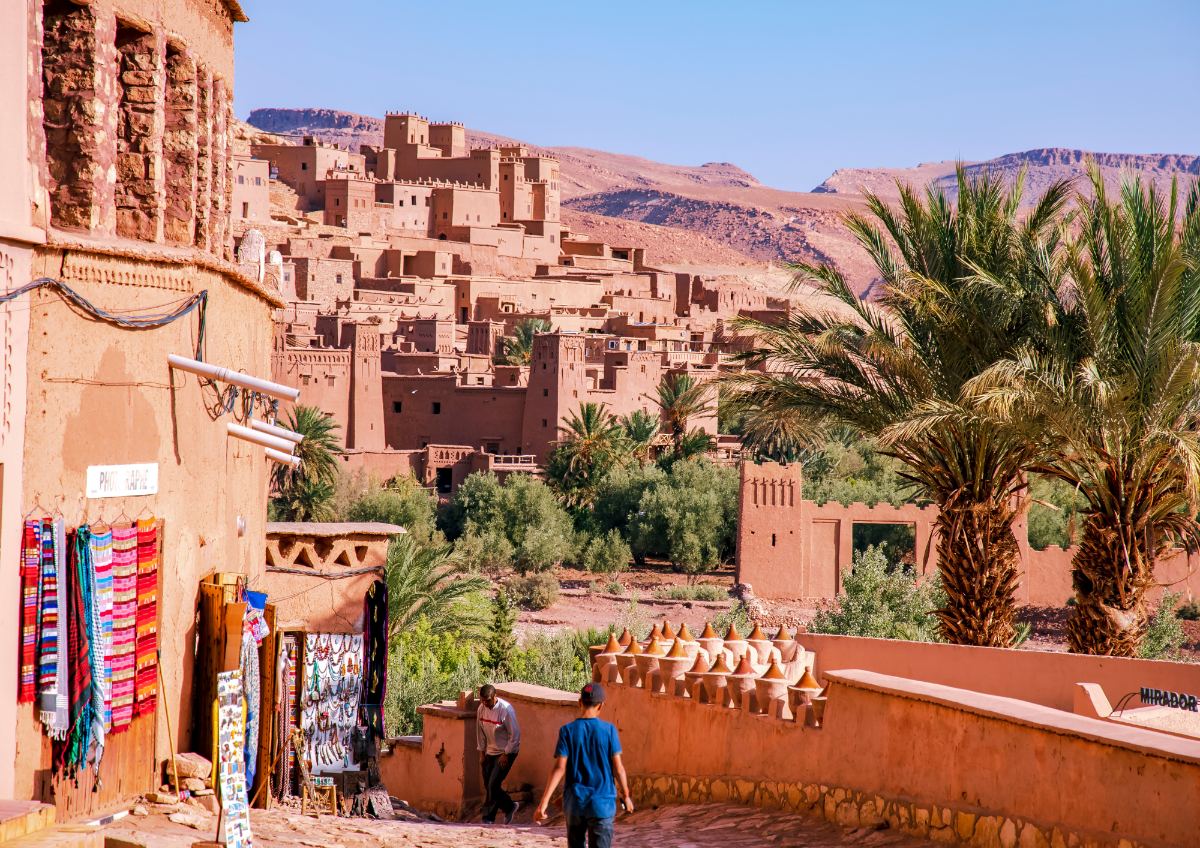
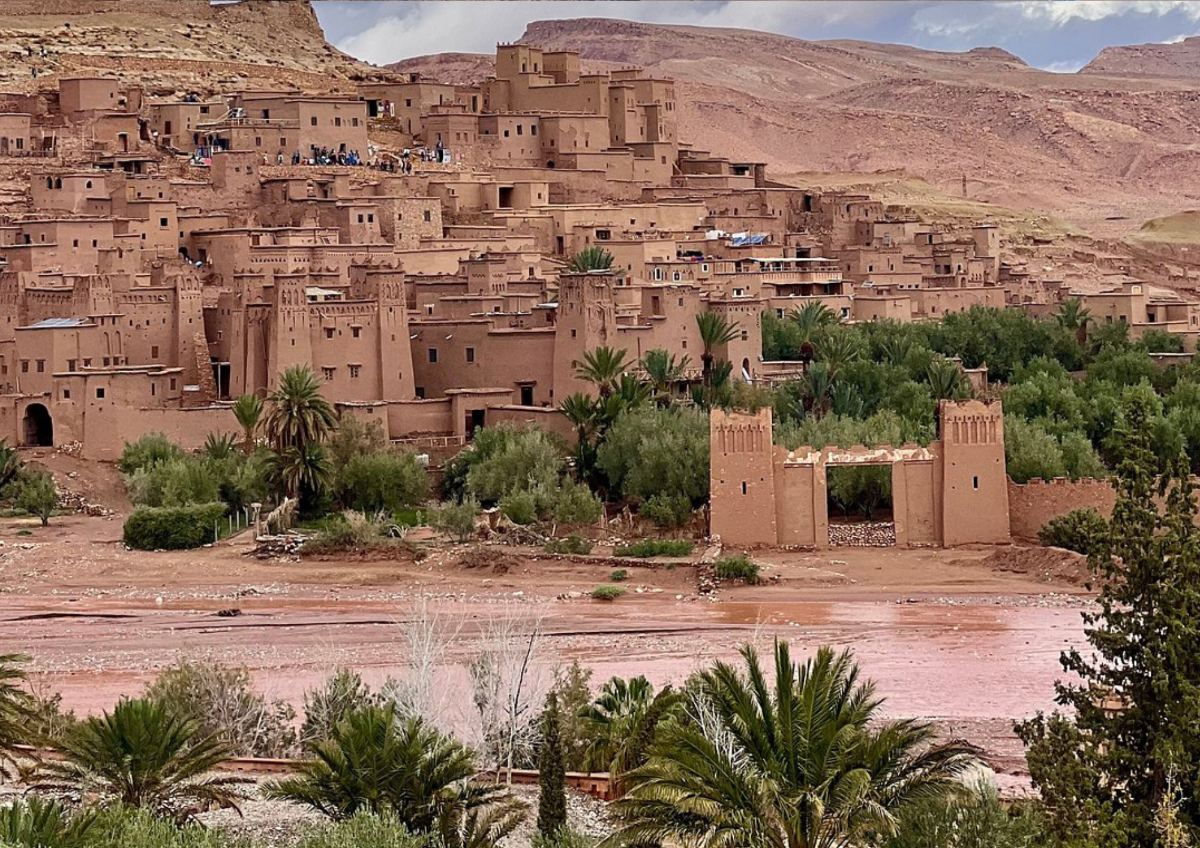
Arriving at Ait Ben Haddou around noon, you will have time for lunch before delving into its enchanting mud-brick Kasbah. This ancient site has served as the backdrop for numerous iconic films, including The Mummy, Gladiator, and Game of Thrones. Continuing the journey, we head to Ouarzazate, often referred to as the “Hollywood of Africa.” Here, you can choose to explore the massive Atlas Film Studios or visit the Taourirt Kasbah. After marveling at the sights, we will transfer you to your hotel in Ouarzazate for a relaxing evening, dinner, and an overnight stay.
DAY 2: OUARZAZATE → SKOURA → KELAAT M’GOUNA → BOU THARAR → DADES VALLEY
Begin your day with a delightful breakfast before setting off for Skoura, an awe-inspiring oasis boasting over 4,000 hectares of palm trees. Here, you will encounter the magnificent Amridil Kasbah, offering insights into 300-year-old kasbah life. The journey continues to Kelaat M’Gouna, home to the famous Rose Valley.
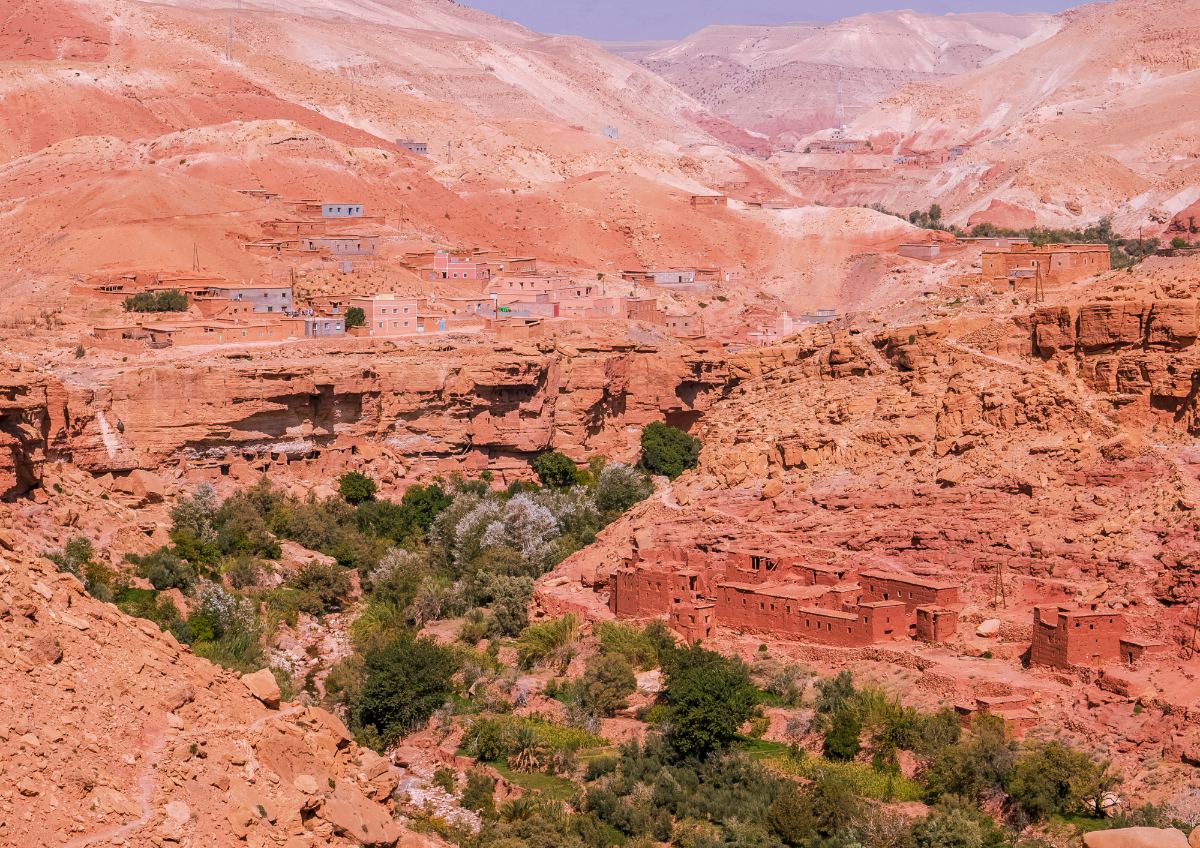
Leaving the Rose Valley behind, our journey takes an adventurous off-road route through charming Berber villages towards Bou Tharar to reach the Dades Valley. Along the way, we will make a special stop to visit a Nomadic Berber family residing in a mountain cave, where you can enjoy a warm cup of tea and experience their unique way of life. Upon reaching the Dades Valley, we will check into your hotel. You can opt for a leisurely walk or embark on a guided hike through the spectacular “Monkey Fingers” canyon. Dinner and overnight stay in the Dades Valley.
DAY 3: DADES VALLEY → TODRA GORGE → MERZOUGA DESERT
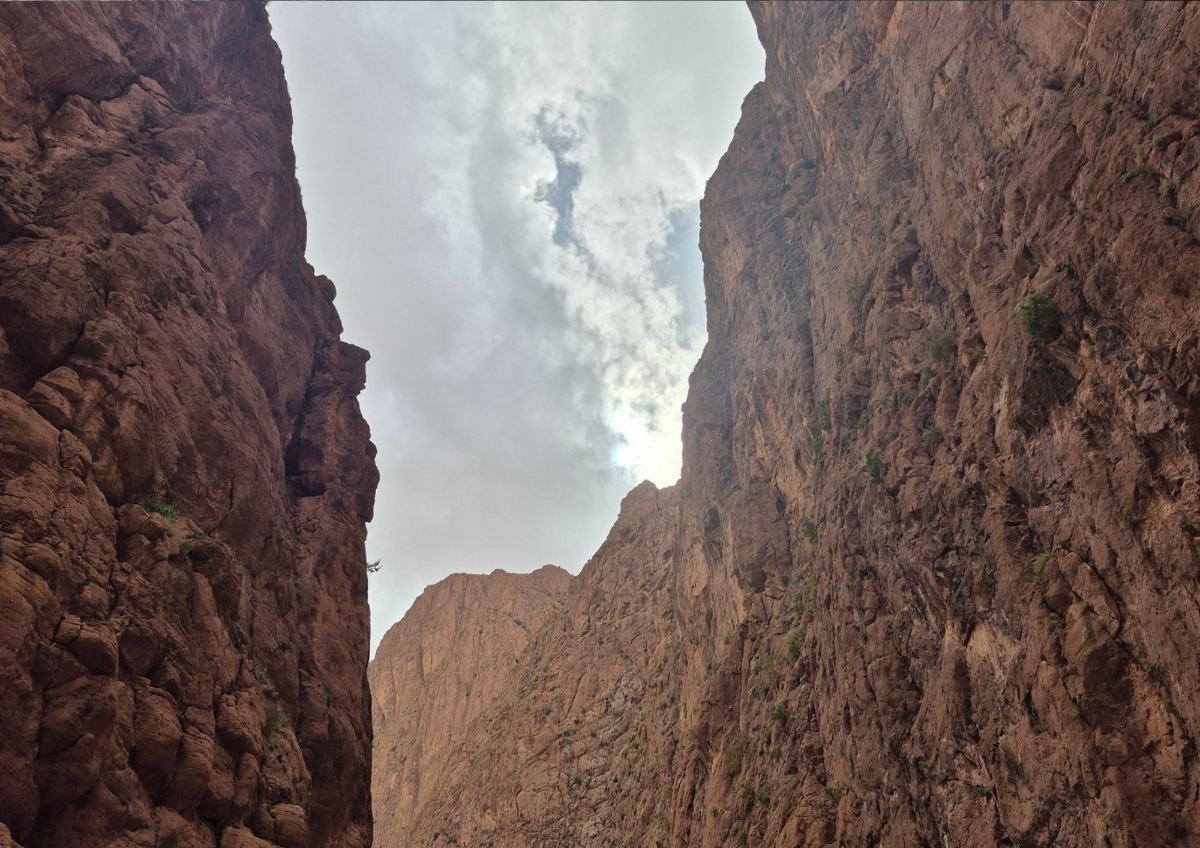
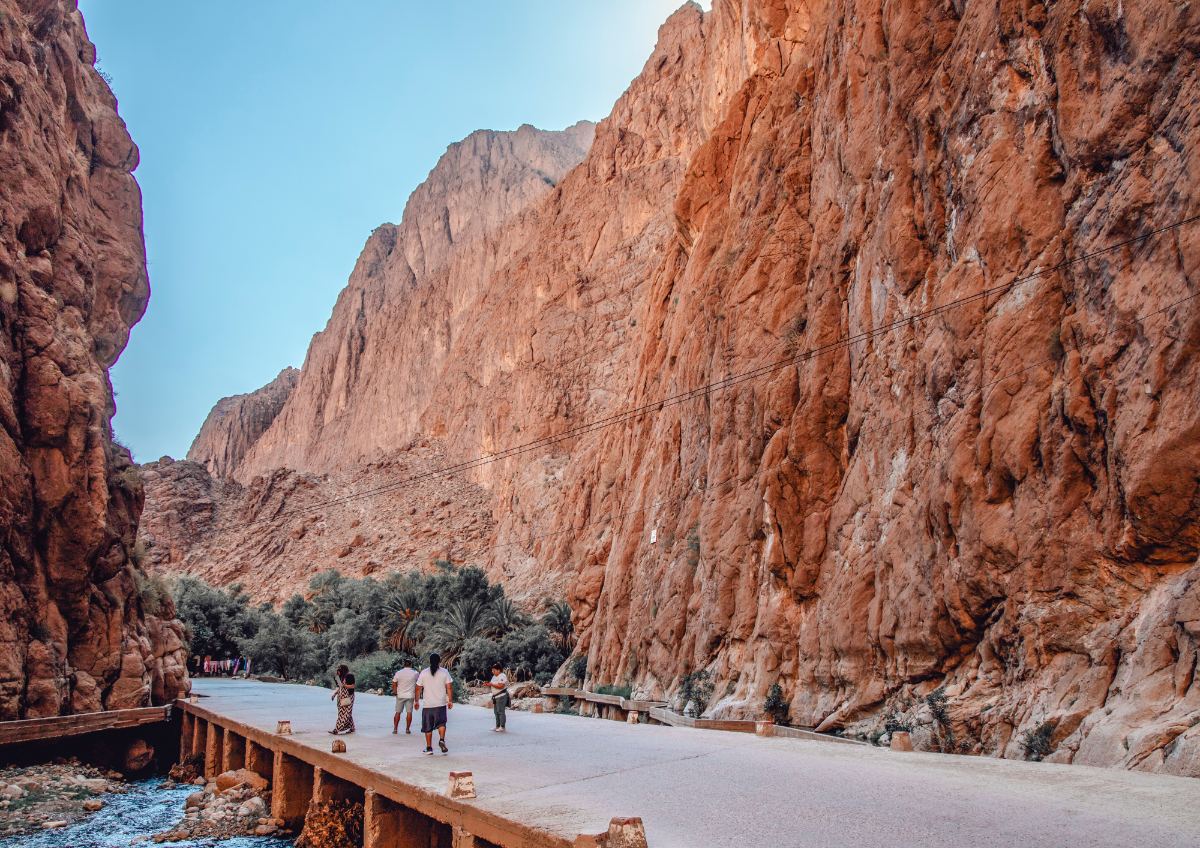
After enjoying a delicious breakfast at your hotel, we begin an exciting journey to the Merzouga desert. Along the way, we will stop to admire the breathtaking panoramic views of the Tinghir oasis and take a leisurely walk beneath the towering 300-meter cliffs of the Todra Canyon.
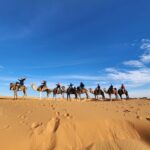
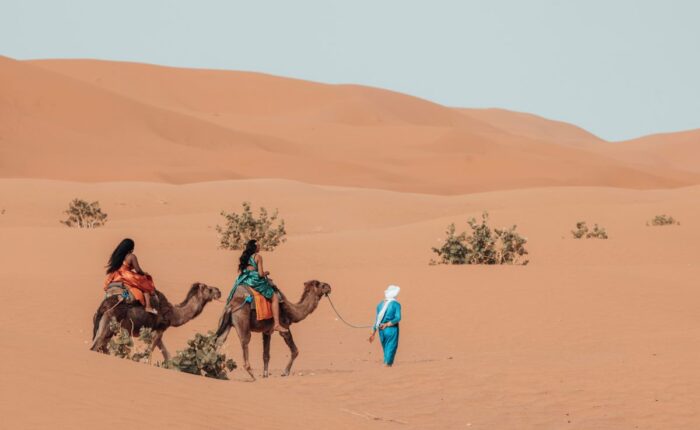
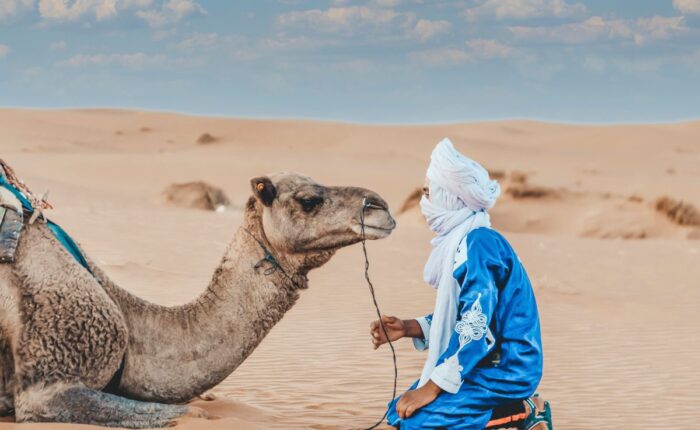
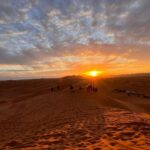
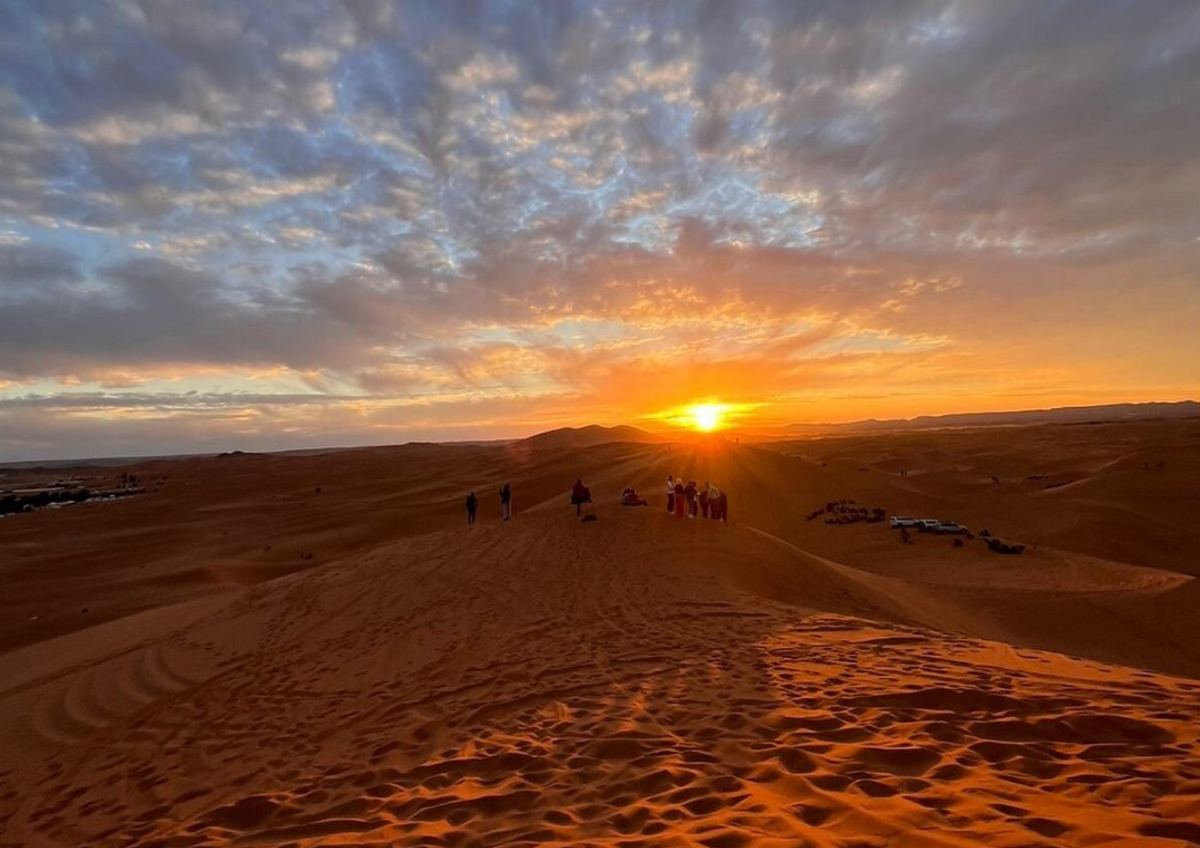
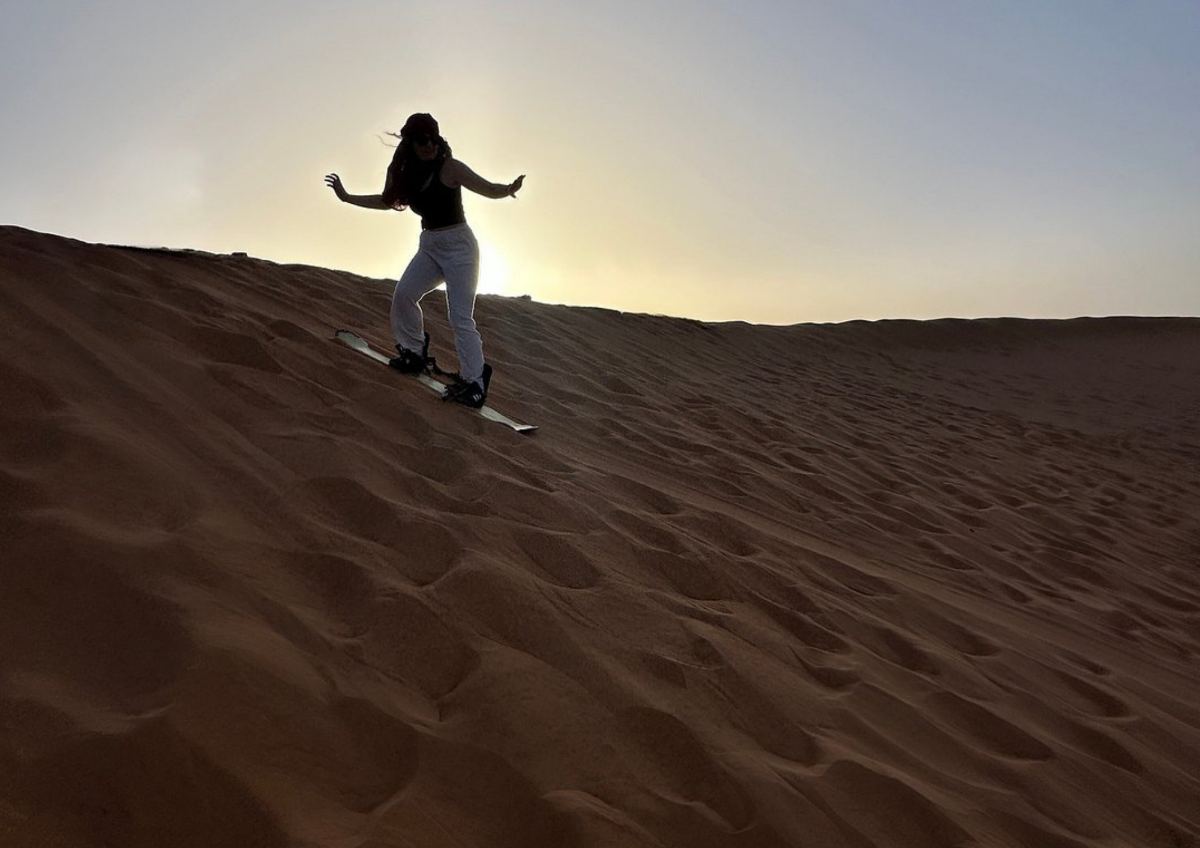
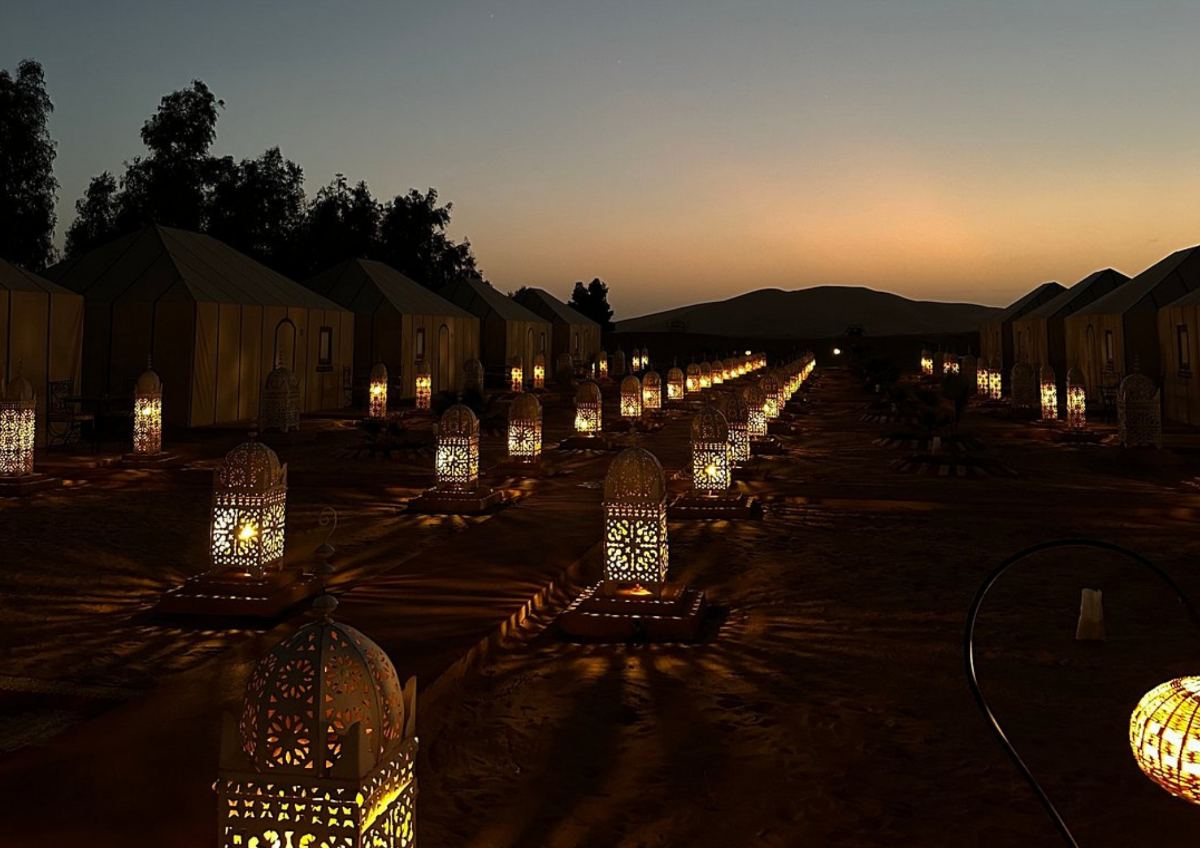
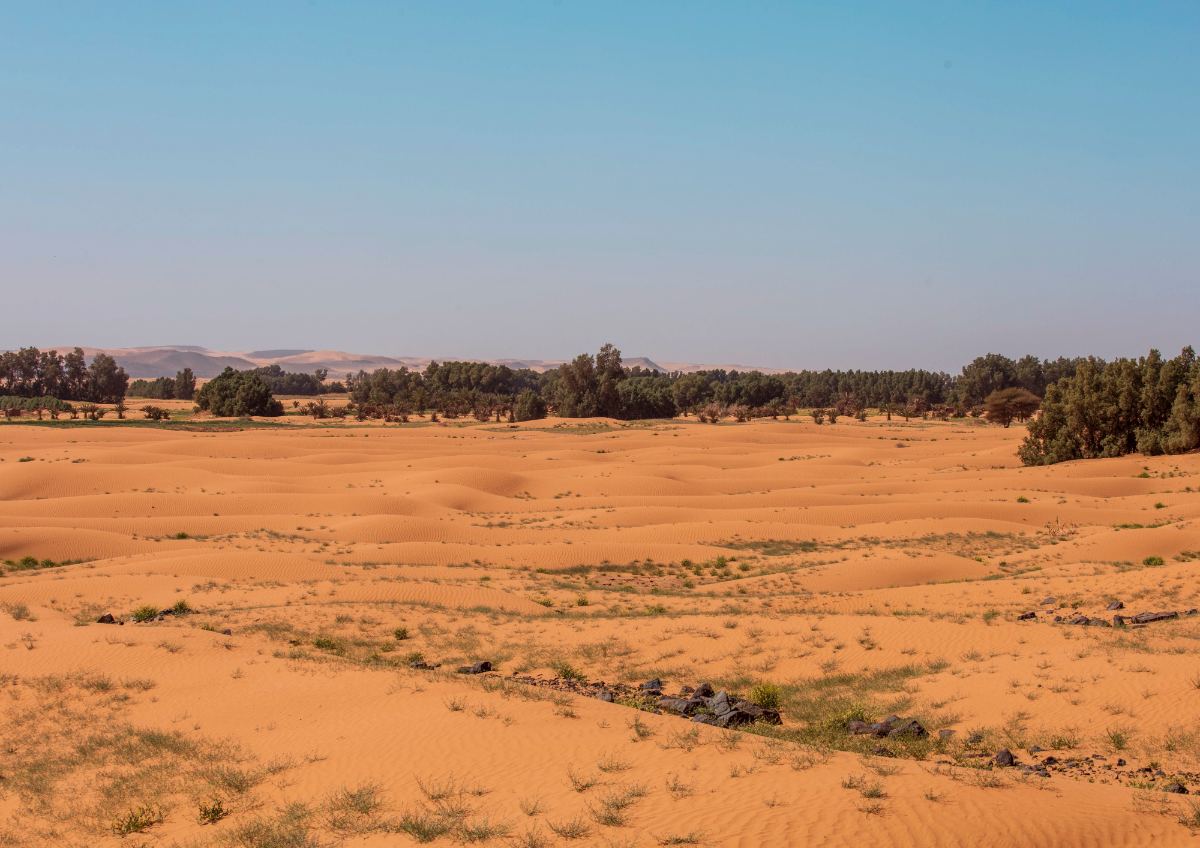
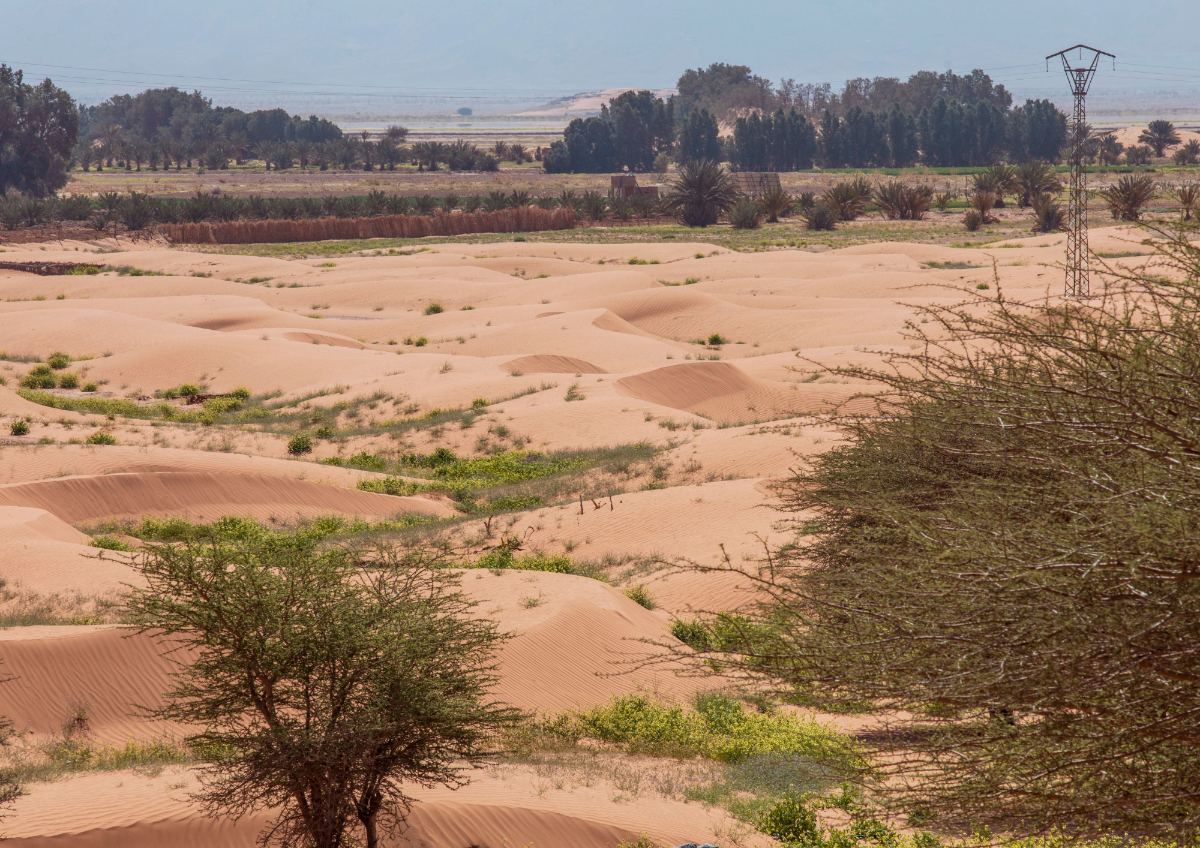
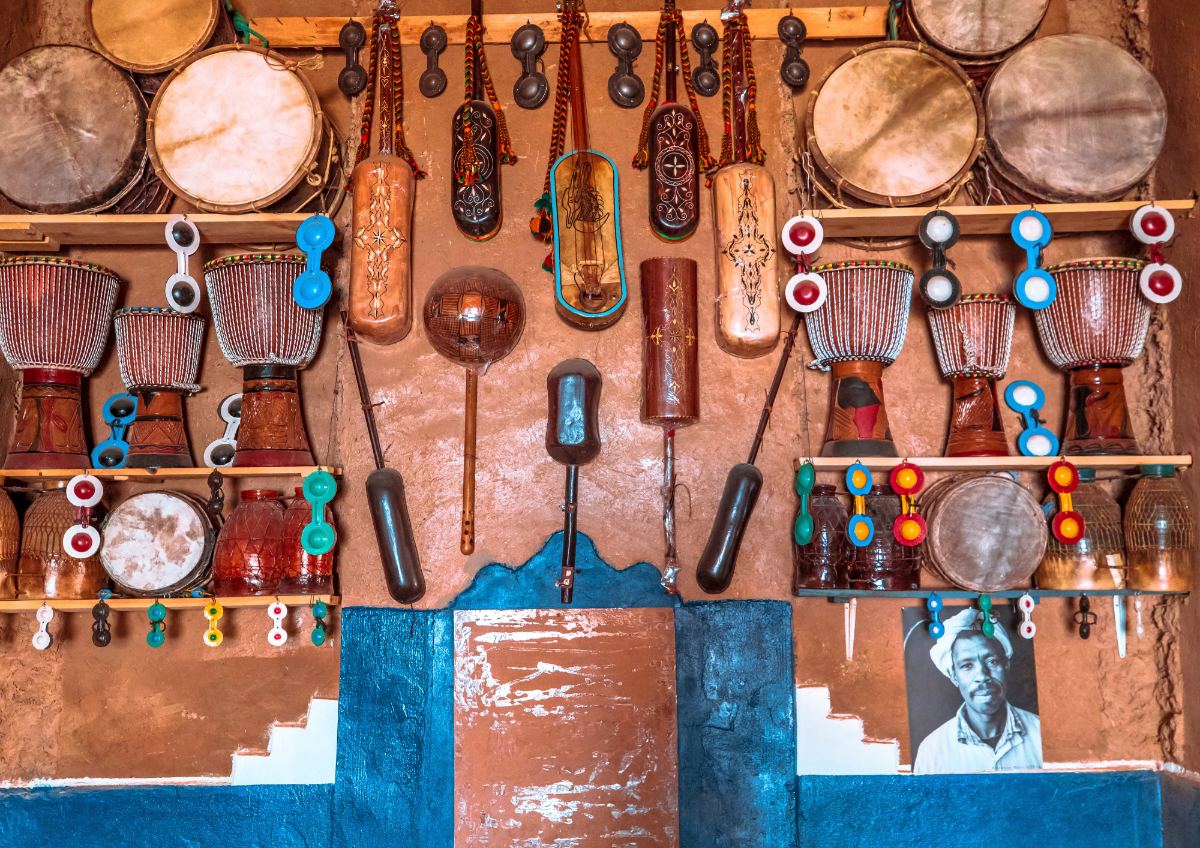
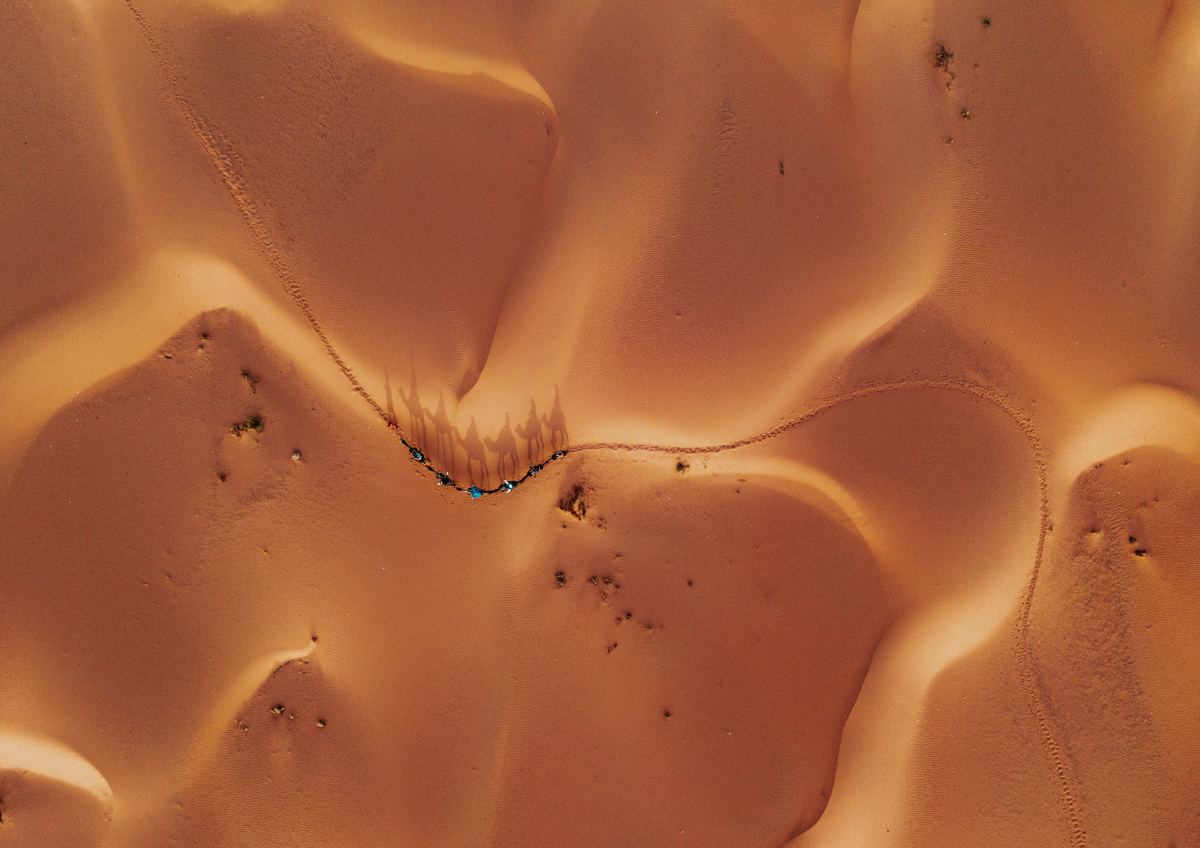
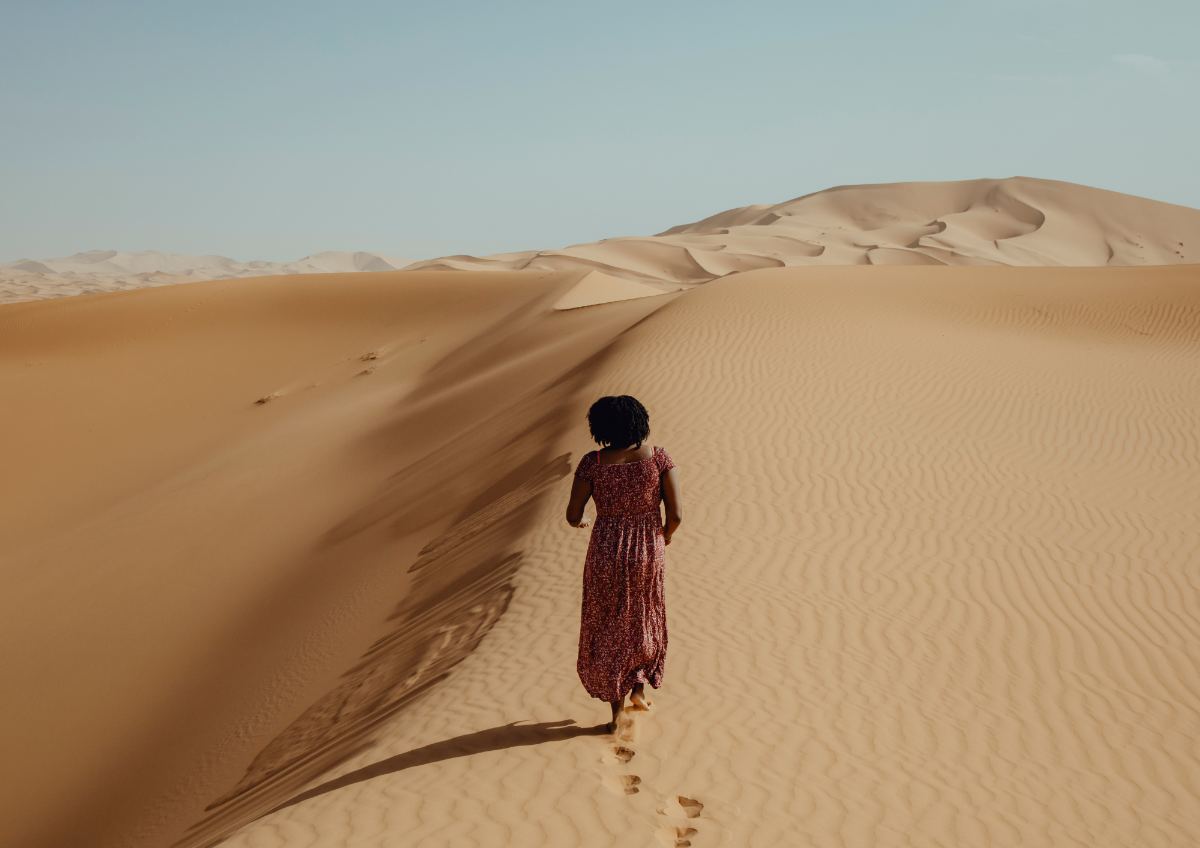
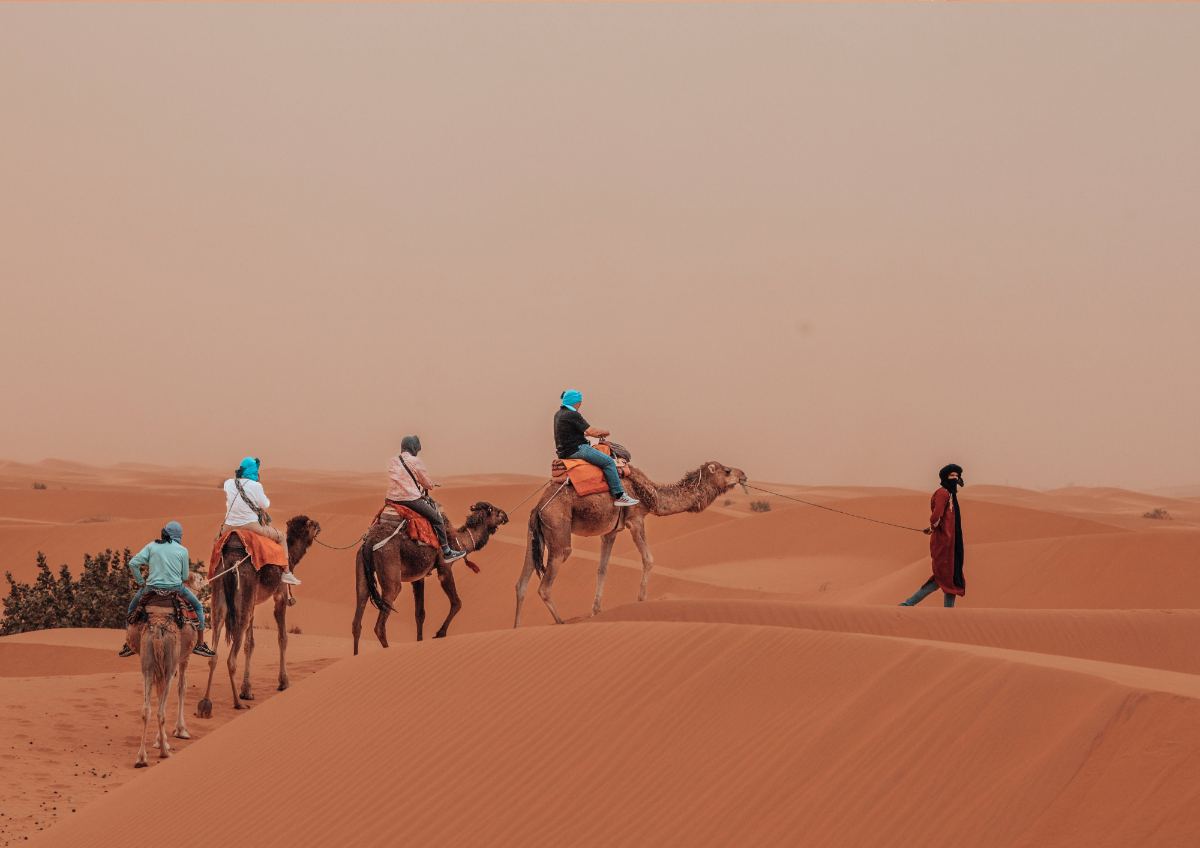
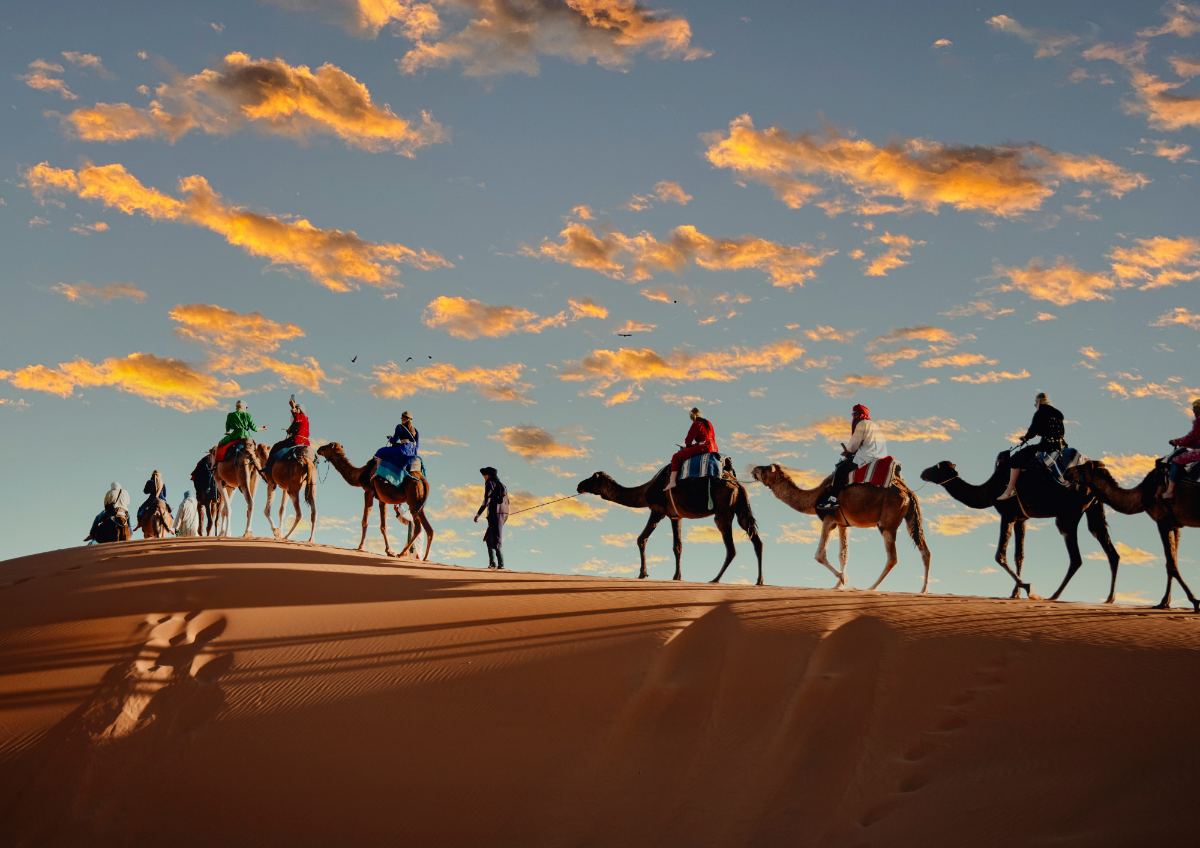
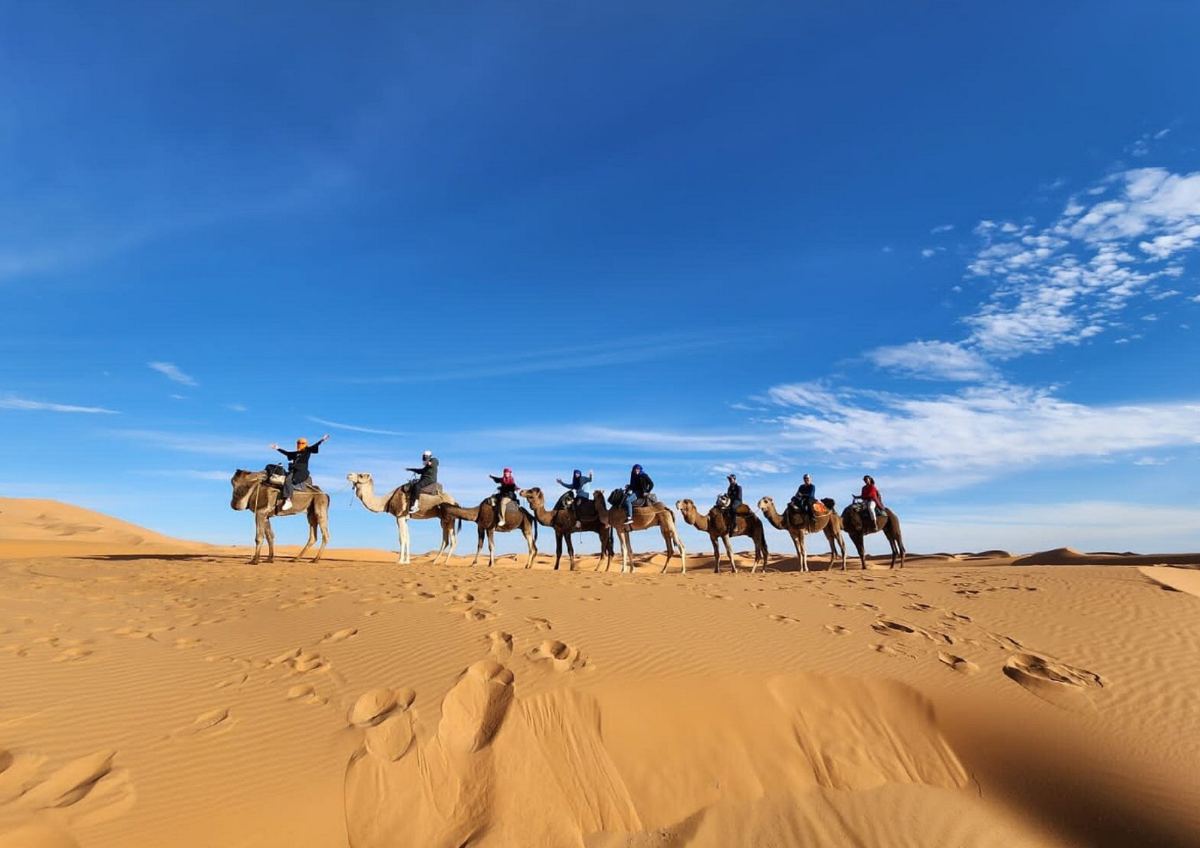
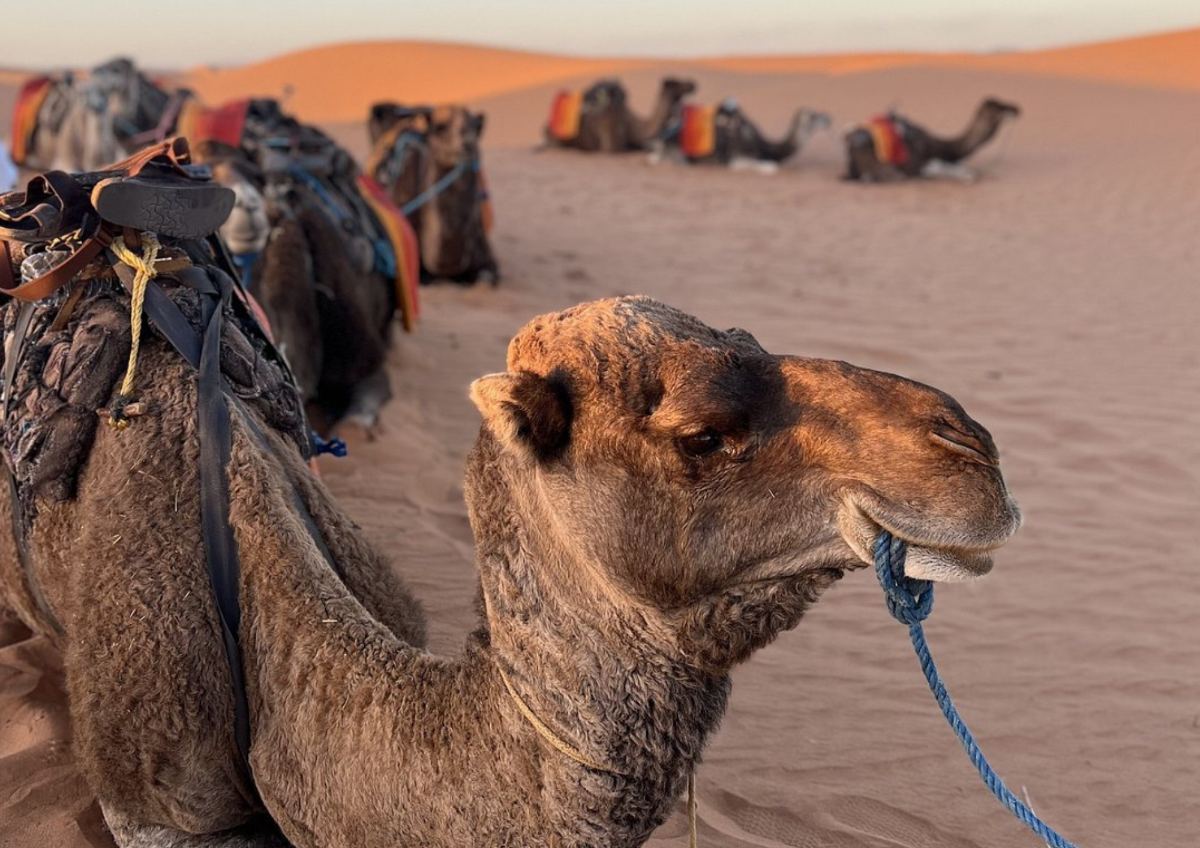
In the afternoon, we will reach the edge of the Merzouga desert. Here, you will embark on an authentic camel ride through the dunes, watching a spectacular sunset from atop a high sand dune. Upon arrival at your luxury desert camp, you will be warmly welcomed with a cup of mint tea. After unwinding and indulging in a delightful traditional dinner, gather around the campfire to enjoy the rhythmic beats of drums and Berber songs beneath a star-filled sky. Overnight in the luxury camp.
DAY 4: MERZOUGA DESERT EXPLORATION
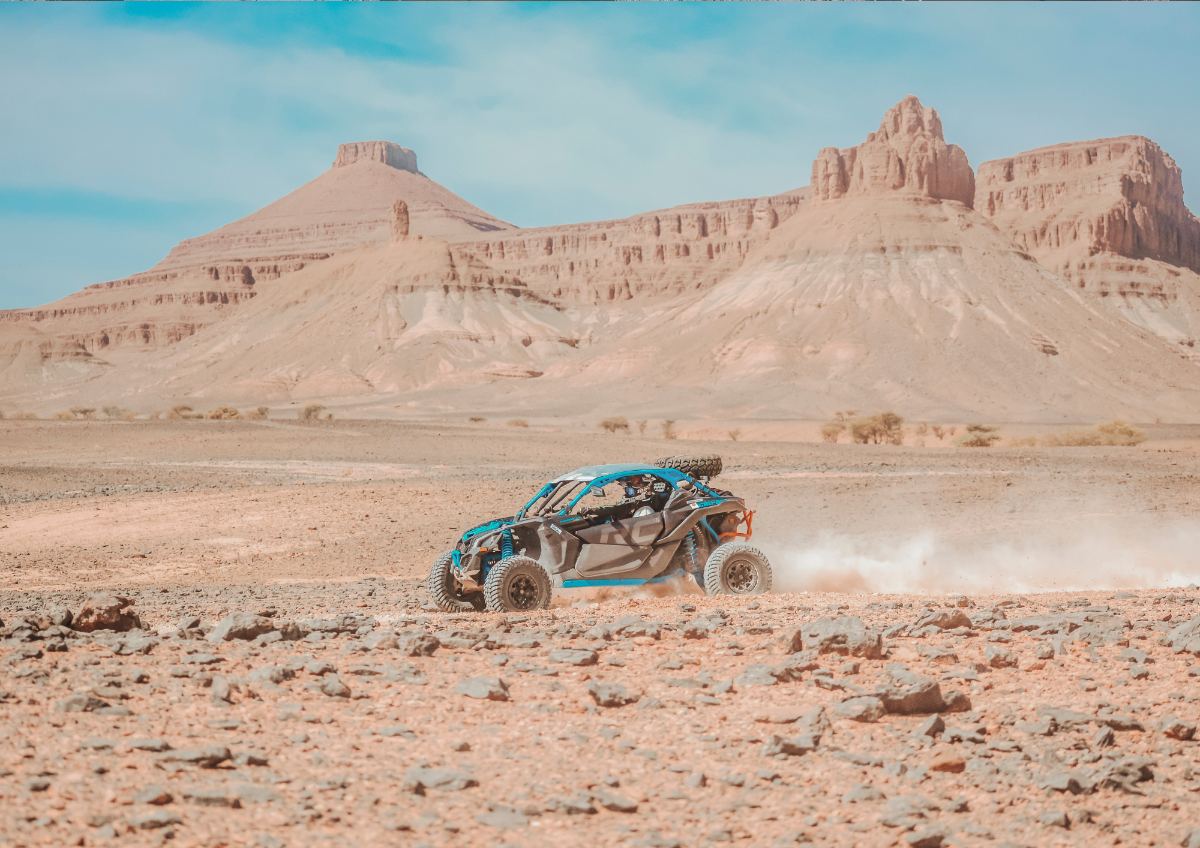
Catch a stunning sunrise over the dunes before enjoying a tasty breakfast at the camp. Today is dedicated to an exciting off-road exploration of the Merzouga desert in a 4×4!
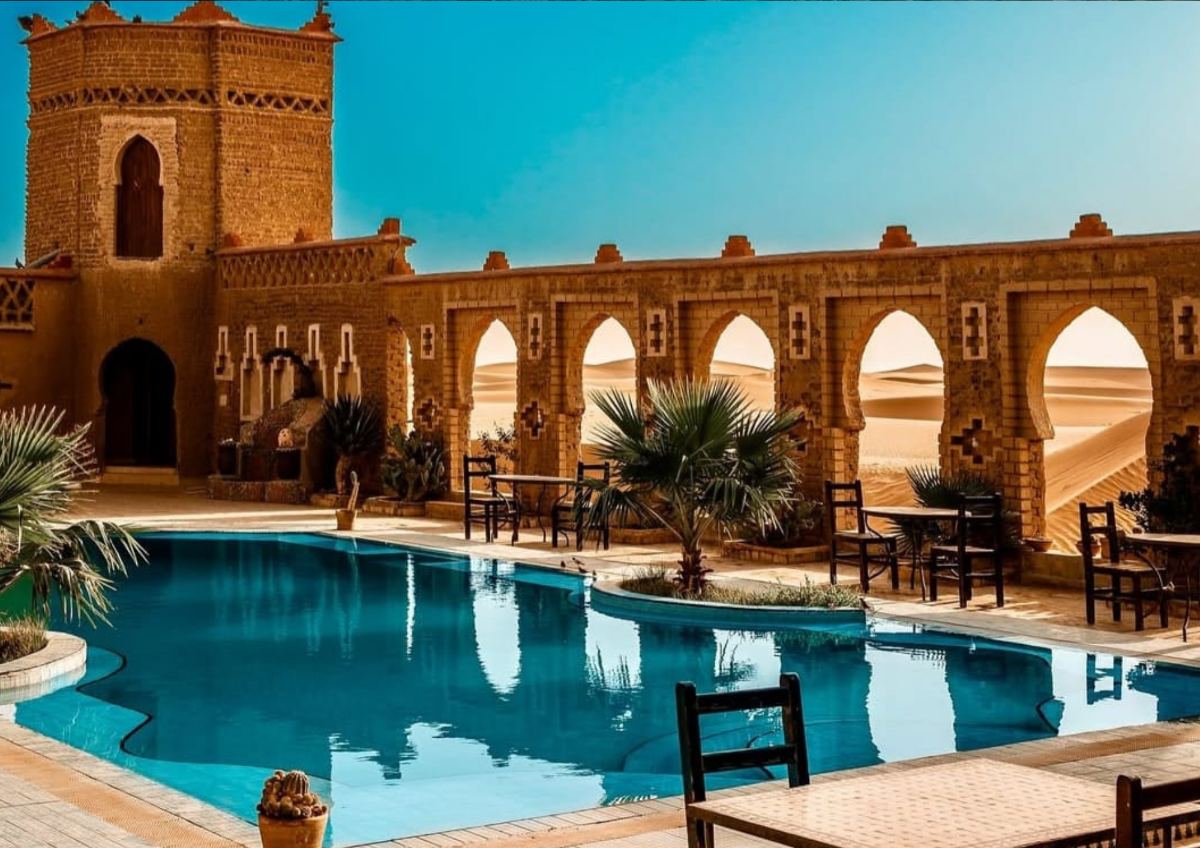
Start your adventure with a visit to Khamlia, a small village famous for its unique Gnawa music played by locals with roots in Sub-Saharan Africa. Next, we head off-road to M’Fis, an abandoned village known for its historic Galena mines. You will then experience the nomadic lifestyle firsthand by visiting a family living near the Erg Chebbi dunes to gain insight into their traditions far from modern civilization. After lunch, we journey to a charming riad offering picturesque views of the dunes. Take some time to relax, swim in the pool, or enjoy a leisurely walk to catch another mesmerizing sunset. Dinner and overnight at the Merzouga riad. (Note: You can choose to spend this second night at the camp again; just let us know when booking).
DAY 5: MERZOUGA DESERT → ZIZ VALLEY → IFRANE → FES
Today marks another chance to rise early and witness the breathtaking sunrise from the comfort of your riad. Following a hearty breakfast, we begin our northbound journey to Fes.
Along the way, we will make several stops at remarkable destinations, including a panoramic viewpoint over the lush palm groves of the Ziz Valley. As the landscape transitions into the Middle Atlas Mountains, we will stop in a captivating cedar forest near Azrou, where you may encounter wild Barbary monkeys. Following a break in the scenic, alpine-style town of Ifrane (often called the “Switzerland of Morocco”), you will arrive in Fes by late afternoon. Your guide will drop you off at your hotel or riad. End of the tour.
Prices start from €150 per person, depending on group size, accommodation, and travel dates.
The rate of €150 per person applies to groups of 17 or more, while prices for smaller groups start from €220 per person for two travelers. Larger groups benefit from lower rates per person.
For a personalized quote tailored to your group and travel preferences, please contact us using the booking form on this page.
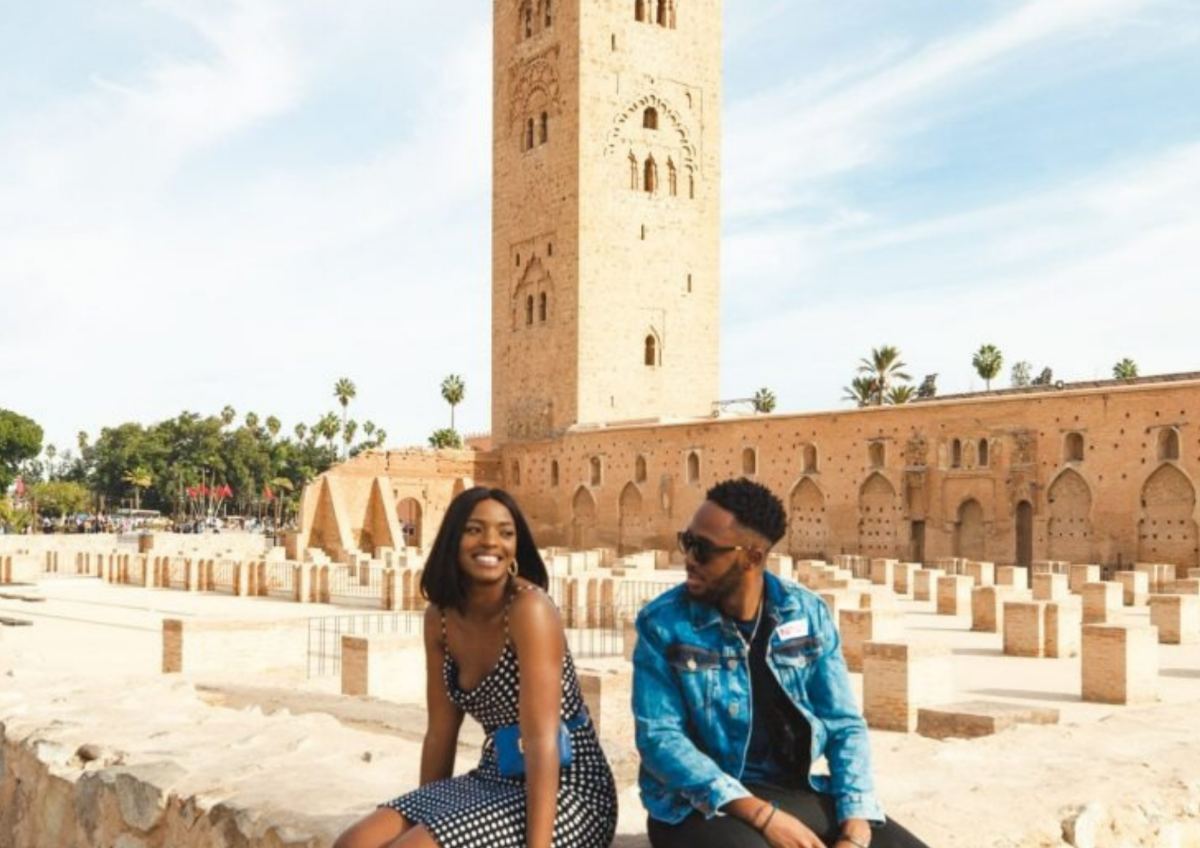
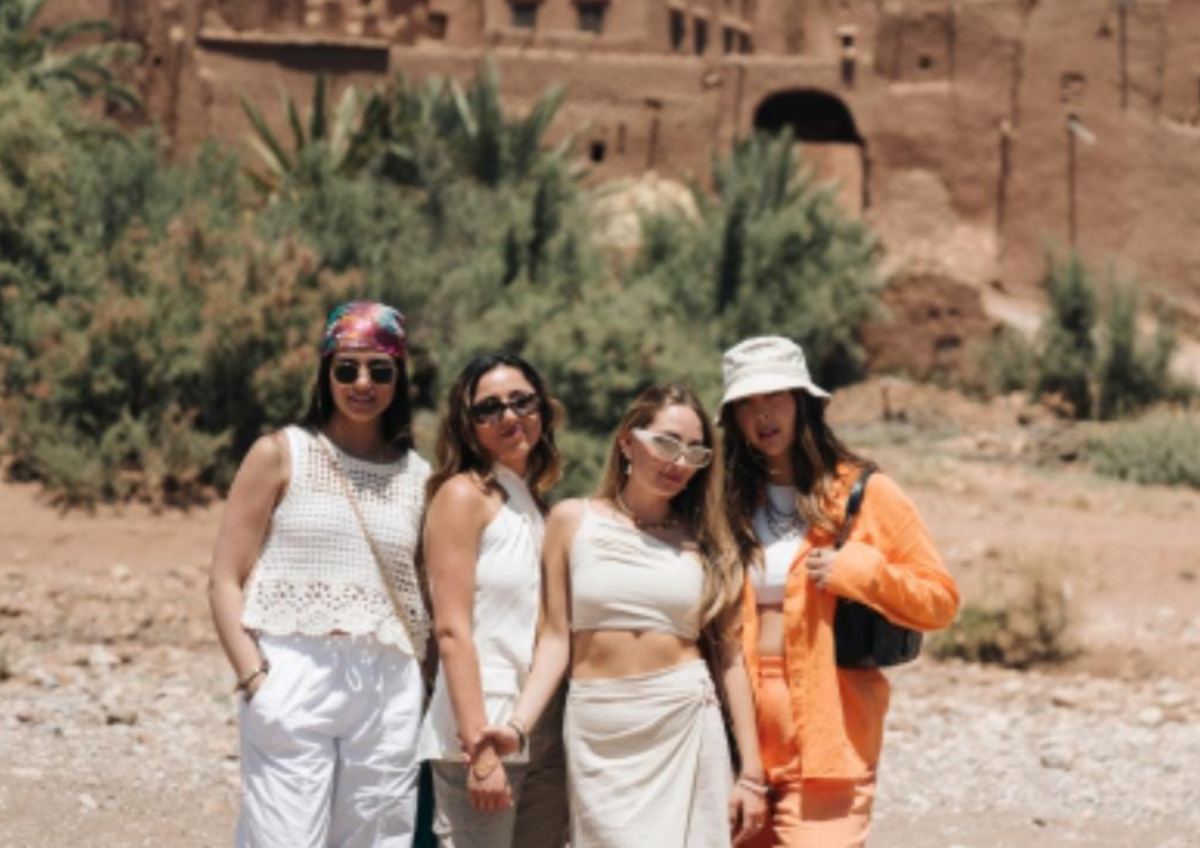
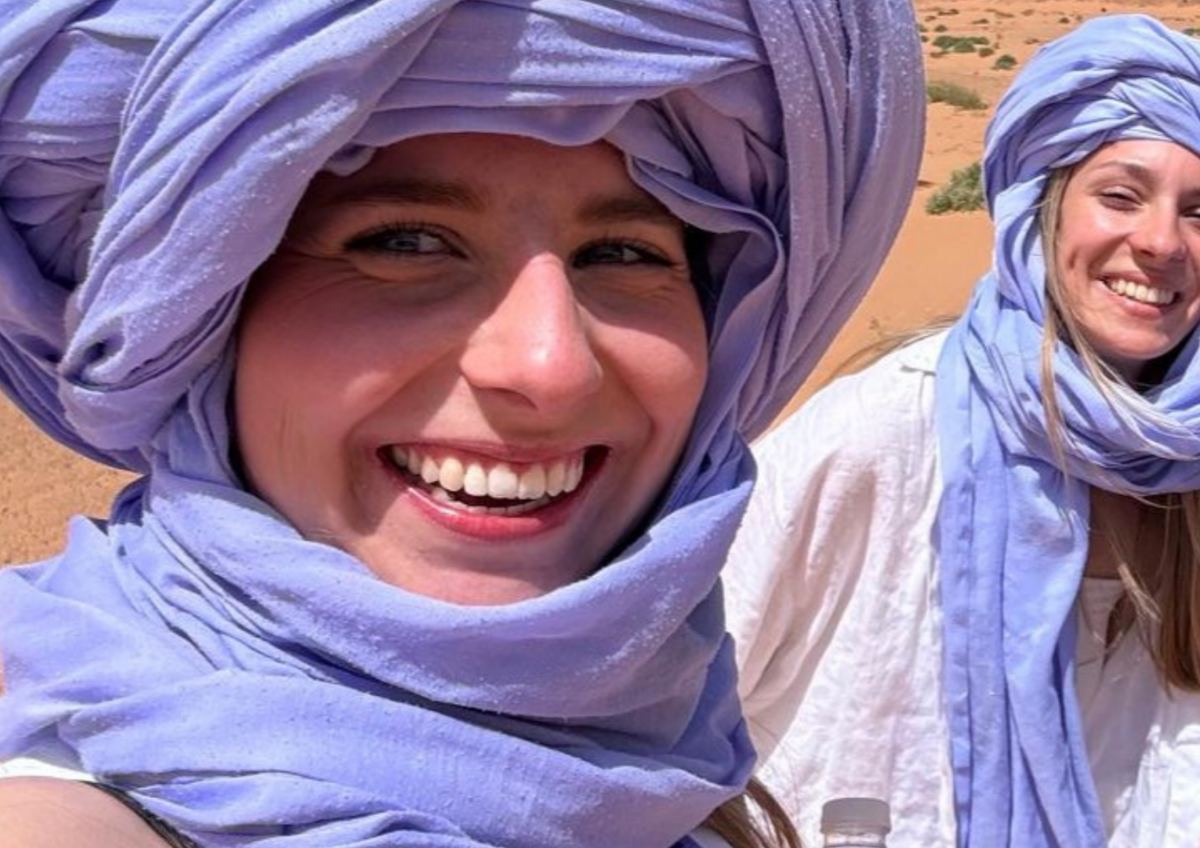
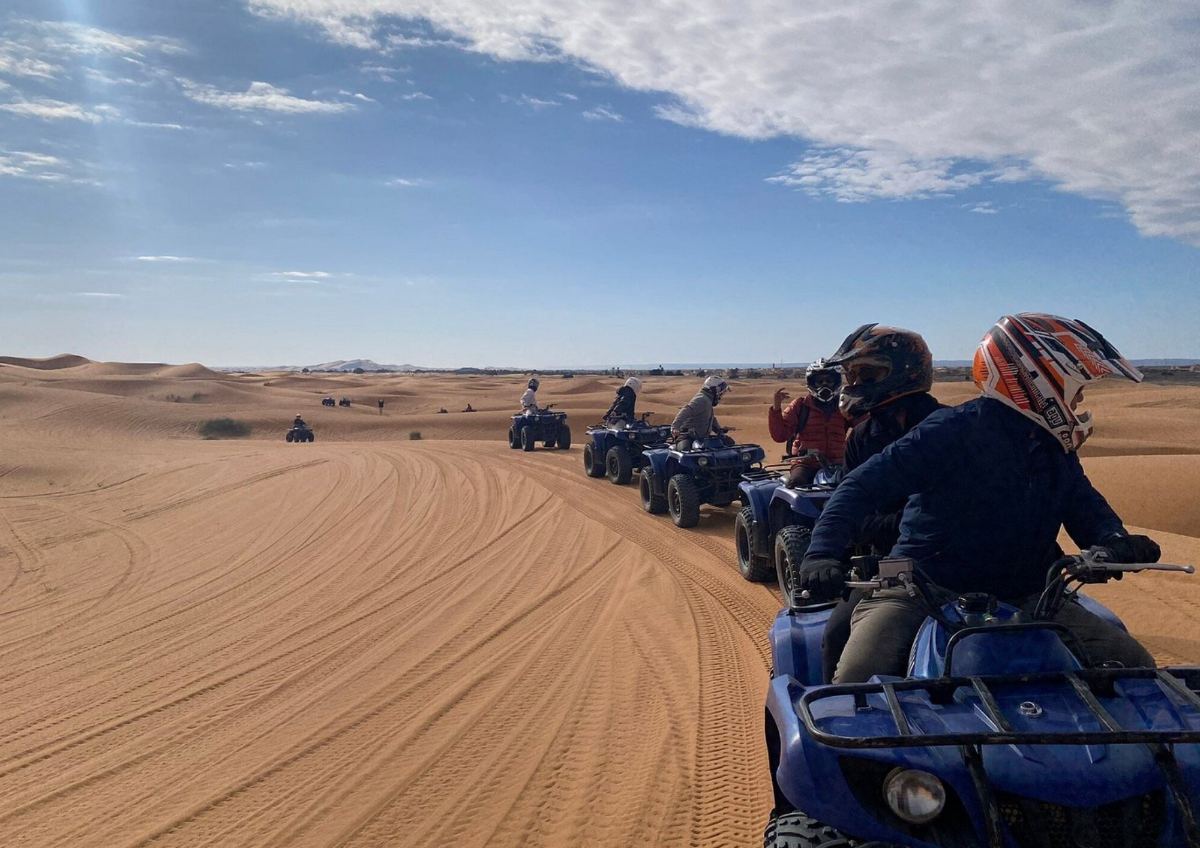
Spring (March to May) and autumn (September to November) are the ideal times to visit. The weather is comfortably warm, making it perfect for exploring the Imperial Cities, trekking in the mountains, or experiencing the desert. Summer can be extremely hot in the south, while winter brings chilly nights, particularly in the Sahara and the High Atlas.
Citizens of the US, Canada, the UK, Australia, New Zealand, and most European countries do not need a visa to enter Morocco for tourism purposes for stays of up to 90 days. You only need a passport that is valid for at least six months beyond your date of entry. Always check with your local Moroccan consulate for the most up-to-date requirements.
The official currency is the Moroccan Dirham (MAD). While large hotels, modern restaurants, and bigger shops in cities accept Visa and Mastercard, Morocco is still largely a cash-based society. You will need cash for the medinas, local markets, tipping, and travel in remote areas like the desert or mountains. ATMs are widely available in all major towns.
Yes, Morocco is widely considered one of the safest countries in Africa for tourists. Violent crime is rare. However, like in any major tourist destination, you should practice common sense. Keep an eye on your belongings in crowded souks to avoid pickpockets, and use registered guides for medina tours and remote treks.
The official languages are Arabic and Amazigh (Berber). French is the second, widely spoken language used in business and tourism. English is increasingly common in major tourist hubs, hotels, and among younger generations, but learning a few basic Arabic or French phrases is always highly appreciated by locals.
Morocco is a conservative, predominantly Muslim country, and dressing modestly shows respect for the local culture. Both men and women should aim to cover their shoulders and knees. Loose, lightweight clothing is ideal for staying cool while remaining respectful. In more modern cities like Marrakech, dress codes are relaxed, but modesty is strictly advised in rural villages and the medinas.
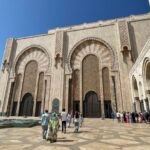
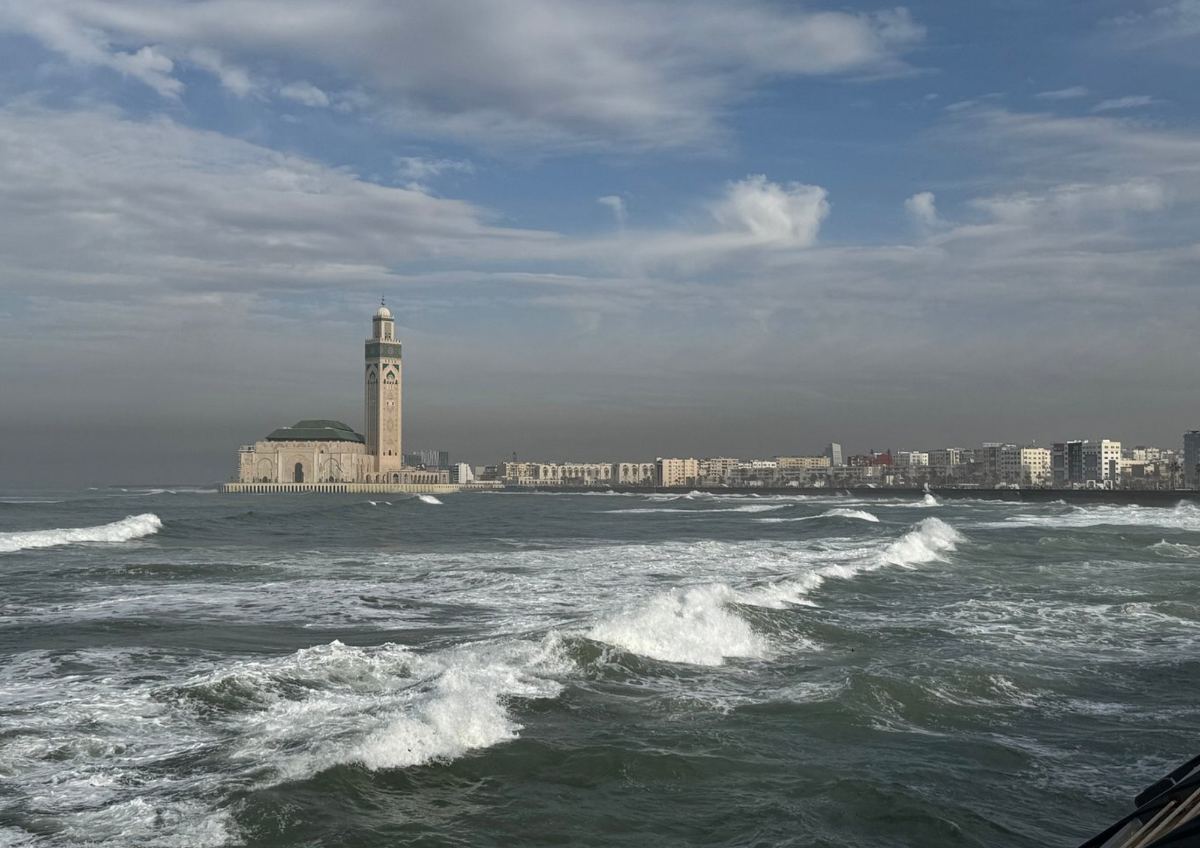
With a few exceptions, non-Muslims are generally not permitted to enter active mosques in Morocco. The most notable exception is the spectacular Hassan II Mosque in Casablanca, which offers guided tours to all visitors.
Yes, tipping (baksheesh) is an established part of Moroccan culture and is highly appreciated for good service. A general rule is to leave 10% to 15% in restaurants. For drivers and tour guides, tipping around 50 to 100 MAD per person, per day is a standard guideline depending on your satisfaction.
Haggling is an expected and enjoyable part of shopping in Moroccan souks. When you ask for a price, expect the vendor’s first offer to be high. Counter with about a third or half of that price, and negotiate until you meet in the middle. Always negotiate with a smile and a friendly attitude.
While Morocco is an Islamic country, alcohol is legal and available. You can purchase it in licensed bars, hotels, large supermarkets, and tourist-focused restaurants. Drinking in public spaces outside of these licensed venues is not permitted.
To truly enjoy the experience without spending your entire trip in a vehicle, a minimum of 3 days and 2 nights is recommended for a desert tour starting from Marrakech to the Merzouga dunes (Erg Chebbi). If you have more time, a 4-day trip allows for a more relaxed pace to explore the Kasbahs, gorges, and valleys along the way.
Bring comfortable, breathable clothing for daytime camel trekking and a warm fleece or jacket for the night, as desert temperatures drop significantly after sunset. Essential items include sunglasses, a sun hat, sunscreen, closed-toe walking shoes, and a small daypack for your overnight items.
Erg Chebbi (near Merzouga) features the highest, most iconic dunes and is easily accessible by paved roads, making it a popular choice. Erg Chigaga (near Zagora/M’Hamid) offers a wilder, more remote experience that requires off-road 4×4 driving to reach, appealing to those looking for an off-the-beaten-path adventure.
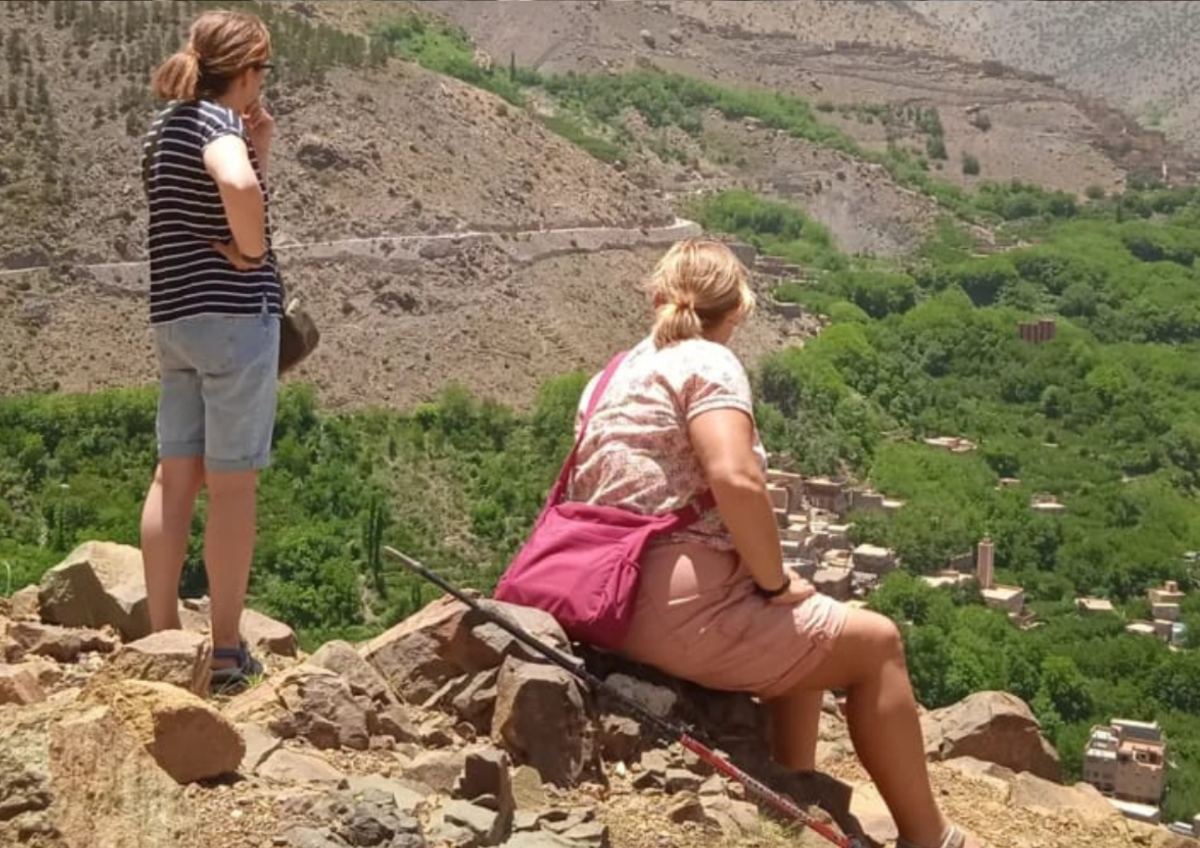
We offer trekking experiences for all levels. Gentle day hikes through Berber villages require only basic fitness and a good pair of walking shoes. Multi-day ascents, such as climbing Mount Toubkal, require a good level of physical stamina and proper hiking gear, though no technical climbing skills are needed in the warmer months.
Absolutely. Moroccans love children, and family travel is highly welcomed. Desert camps, camel rides, and short walks in the Atlas Mountains are fantastic experiences for kids. We can customize the pace of the itinerary, limit driving times, and ensure family-friendly accommodations for your comfort.
For maximum flexibility and comfort, hiring a private driver is the most highly recommended way to travel. It allows you to stop at scenic viewpoints, hidden Kasbahs, and local cooperatives at your own pace. For budget travelers, Morocco’s rail network (including the high-speed Al Boraq train) efficiently connects major cities like Casablanca, Rabat, Tangier, and Fes.
While tap water in major cities is treated, it has different mineral contents that can upset a traveler’s stomach. It is highly recommended to stick to sealed bottled water or use a filtered water bottle for drinking and brushing your teeth.
Morocco operates on a 220V supply voltage and uses standard European two-pin round plugs (Type C and Type E). If you are traveling from the US, UK, or Australia, you will need a universal travel adapter.
Wi-Fi is widely available for free in most hotels, riads, and cafes across the country. If you want continuous access on the road, you can easily purchase an inexpensive local prepaid SIM card (from providers like Maroc Telecom, Orange, or Inwi) at the airport upon arrival.
Moroccan cuisine is world-renowned. Must-try dishes include Tagine (a slow-cooked savory stew made with meat, poultry, or fish), Couscous (traditionally served on Fridays), Pastilla (a sweet and savory meat pie), and Harira (a rich tomato and lentil soup). Meals are almost always accompanied by the famous Moroccan sweet mint tea.